
Curiosity and humility are critical traits that fundamentally enhance business relationships. These attitudes not only foster professional rapport but also build deep, emotional connections with clients and team members.
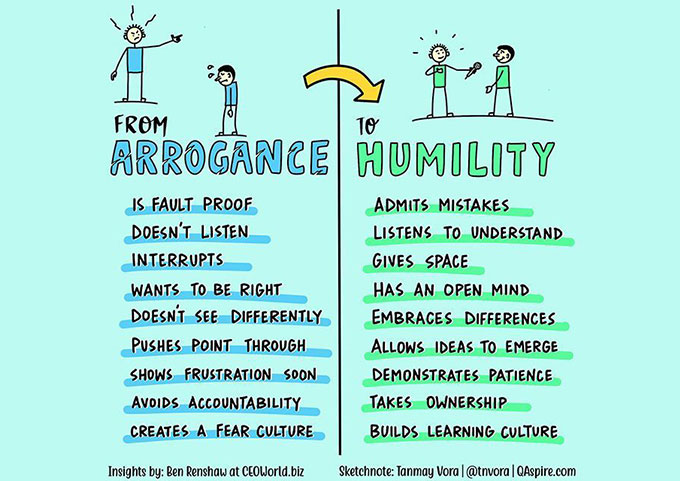
Conversely, arrogance can have catastrophic effects on business relationships, overall company health, and personal customer relationships. By examining specific examples, we can better understand the practical application and benefits of positive traits and the pitfalls of negative ones in a business setting.
Personalized Customer Service at Nordstrom: Nordstrom, a leader in customer service, empowers its employees to take a curious approach towards customer interactions. Sales staff are encouraged to ask detailed questions to understand customer needs and preferences deeply. This level of personalization helps Nordstrom make precise recommendations that enhance customer satisfaction and loyalty.
Anticipating Needs in Apple Product Design: Apple's innovation in product design is a direct result of its curiosity about user needs. The development of the iPhone’s user-friendly interface was significantly influenced by Apple's insights into everyday user interactions, fostering immense customer loyalty.
Trust-Building Through Genuine Engagement by Zappos: Zappos enhances customer trust through genuine engagement, significantly improving customer satisfaction and forming lasting relationships based on personal connection.
Open Dialogue at Pixar: Pixar's 'Braintrust' feedback sessions, which depend on the humility of team members, facilitate a collaborative environment that has contributed to many of the studio’s successes.
Respectful Leadership at LinkedIn: LinkedIn’s CEO Jeff Weiner’s humble leadership includes regular Ask Me Anything' sessions, creating a culture of transparency and mutual respect that boosts employee morale.
Strengthening Team Cohesion at Patagonia: Strengthening Team Cohesion at Patagonia.
While humility and curiosity build bridges, arrogance is often a fast track to isolation in the business world and can severely damage personal relationships with key customers. Here are real-world examples of how arrogance has negatively impacted businesses and customer relationships:
Boeing’s 737 Max Crisis: Boeing faced significant backlash and financial losses due to what many saw as an arrogant approach to safety concerns with the 737 Max. The company’s initial refusal to acknowledge design flaws and lack of transparency with regulatory authorities not only damaged its reputation among airlines and passengers but also broke trust with important clients who felt misled and undervalued.
Enron’s Collapse: Arrogance at Enron led to unethical behaviors and business practices that ultimately resulted in the company's scandalous collapse. This arrogance eroded customer trust and destroyed relationships with key stakeholders who were deceived by the company's fraudulent actions.
Blockbuster’s Downfall: Blockbuster’s arrogant dismissal of emerging competitors like Netflix and refusal to adapt to market shifts led to its bankruptcy. This arrogance also alienated customers who felt their needs for more convenient service options were being ignored, leading to a loss of customer loyalty and damaging long-term customer relationships.
Lifelong Learning at Google: Google encourages continuous learning, keeping employees engaged and driving innovation.
Feedback Mechanisms at Adobe: Adobe’s regular performance check-ins instead of annual reviews facilitate ongoing improvement and adaptation.
Recognition Programs at Southwest Airlines: Southwest’s recognition program underlines the company’s appreciation for its workforce, enhancing employee morale.
Vulnerability in Leadership by Brene Brown: Brene Brown promotes vulnerability in leadership, fostering relatability and trust within teams and with clients.
Arrogance and a know-it-all attitude are not just personality flaws; in a business context, they can be highly destructive, significantly damaging relationships with colleagues and customers alike. These negative traits can lead to a toxic work environment, erode trust, and ultimately result in lost business opportunities. By examining specific impacts and real-world consequences, we can better understand how these attitudes can undermine business success.
Inhibits Collaboration and Team Spirit: Arrogance or a know-it-all attitude can create a barrier to effective teamwork. When a team member believes they have all the answers, it discourages others from contributing their ideas and insights, stifling creativity and innovation. For instance, in tech startups, where collaboration is key to innovation, such an attitude can halt project progress and lead to failed ventures.
Leads to Conflict and Reduced Morale: These attitudes can lead to frequent conflicts within teams as arrogant individuals often dismiss the views of others, leading to resentment and a toxic work environment. Over time, this can result in high employee turnover rates, as seen in companies like Uber during its early years of leadership turmoil.
Erodes Respect and Trust: Colleagues and subordinates are less likely to respect and trust a leader or coworker who displays arrogance or a know-it-all demeanor. This lack of trust can undermine leadership effectiveness and cripple team cohesion.
Damages Customer Trust and Loyalty: Customers are unlikely to remain loyal to a business if they feel belittled or unheard. Arrogance can manifest as inadequate attention to customer complaints or overselling a product's capabilities without acknowledging its limitations, which can lead to customer dissatisfaction and erosion of trust. For example, the Wells Fargo account fraud scandal, where employees opened accounts without customer consent, dramatically showed how arrogance could lead to massive customer trust erosion.
Leads to Misunderstandings and Loss of Business: A know-it-all attitude can prevent a business from accurately understanding and meeting customer needs. If a business fails to listen to customer feedback and insists its product or service is flawless, it might miss critical improvements needed to meet market demands. This was evident in the case of Kodak, which ignored the shift to digital photography under the assumption that traditional film was superior.
Harms Long-Term Business Reputation: Arrogance and a know-it-all attitude can tarnish a company's reputation in the long run. Negative customer experiences often result in bad reviews and poor word-of-mouth, which can stifle new customer acquisition and growth. The decline of Sears is often attributed to leadership underestimating competitive threats and ignoring significant market trends.
The contrast between the benefits of curiosity and humility and the negative consequences of arrogance in business cannot be overstated.
While the former traits foster an environment of growth, respect, and collaboration, arrogance can isolate a company, erode trust, and ultimately lead to failure.
The examples above serve as powerful lessons for businesses aiming to build lasting relationships and achieve sustainable success.
By prioritising curiosity and humility and rejecting arrogance, companies can ensure they attract and maintain loyal customers and motivated employees, paving the way for ongoing prosperity.
The effects of arrogance and a know-it-all attitude in a business environment are profoundly negative, impacting both internal operations and external relationships.
These traits discourage collaboration, breed conflict, erode trust, and can ultimately lead to significant business failures.
To foster a positive work environment and maintain strong, healthy business relationships, it is crucial for professionals to cultivate humility, remain open to feedback, and value the contributions of all team members and customers. By doing so, businesses can enhance their resilience, adaptability, and long-term success.
Copyright © 2024 The Winning Edge Mumbai, India. All Rights Reserved.